27 High Street
- Ipswich
- IP1 3QH
27 High StreetAt Lighthouse Dental Practice, we recommend interdental brushes as an effective way to clean between your teeth and maintain optimal oral health. These small, specially designed brushes help remove plaque and food particles from areas that a regular toothbrush cannot reach. Below are some frequently asked questions about using interdental brushes.
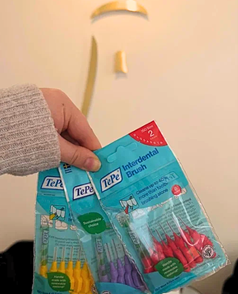
1. What are interdental brushes?
Interdental brushes are small, thin brushes designed to clean between teeth where plaque and food debris accumulate. They come in different sizes to fit different spaces and are an excellent alternative to flossing.
2. Why should I use an interdental brush instead of floss?
Interdental brushes are often more effective and easier to use than floss, especially for people with larger gaps between their teeth, braces, or dental work such as bridges or implants. They also provide a thorough clean without the need for complicated flossing techniques.
3. How often should I use an interdental brush?
For the best results, use an interdental brush at least once a day, ideally before brushing your teeth.
4. How do I choose the right size interdental brush?
Interdental brushes come in different sizes and selecting the right one is important. If the brush is too small, it will not clean effectively; if it’s too large, it could cause discomfort. Your dentist or hygienist can help you determine the best size for your teeth. You may need different sizes for different areas of your mouth.
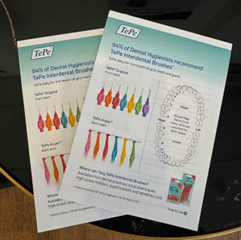
5. How do I use an interdental brush correctly?
6. Can interdental brushes replace regular toothbrushing?
No, interdental brushes should be used in addition to brushing. They are designed to clean between your teeth, while your toothbrush cleans the surfaces of your teeth and gums.
7. How often should I replace my interdental brush?
Replace your interdental brush when the bristles become worn or bent, usually every one to two weeks depending on use.
8. Do interdental brushes hurt or cause bleeding?
Some people experience mild bleeding when first using interdental brushes, especially if their gums are inflamed. This usually stops within a few days as your gums become healthier. If bleeding persists, consult your dentist.
9. Can I use interdental brushes if I have braces or dental implants?
Yes! Interdental brushes are ideal for cleaning around braces, bridges, and implants where plaque tends to accumulate. They are often more effective than floss in these situations.
10. Should I use interdental brushes before or after brushing my teeth?
It is best to use interdental brushes before brushing your teeth. This helps remove debris and allows fluoride from your toothpaste to reach between your teeth more effectively.
11. Are water flossers a good alternative to traditional interdental cleaning?
Water flossers (like Waterpik) are a great addition to your routine, especially for people with braces or dental work, but they should not replace regular interdental cleaning. Traditional interdental brushing is still the best way to remove plaque and debris between teeth.
Additional Tips for a Healthy Smile
If you have any questions or need help choosing the right interdental brush size, contact Lighthouse Dental Practice – we are happy to help!


“Hygienist, Angela sets you at ease from the moment you walk in the door. She is not only really thorough but also very caring and explains what she is doing throughout the ...“
“Wow! The service I received from Jane was absolutely fantastic; she went above and beyond to assist me so that I wasn't left out of pocket. I wish everyone had a person lik...“
“I am 70 years of age, and I have always been afraid to go to the dentist. A broken tooth and my wife threatening to leave me if I did not get it replaced soon made me find a ...“
“I booked an emergency treatment appointment, having had a tooth for a few days and was unable to get an appointment with my regular practice. I have to say the service was am...“
“As a nervous patient, I was very worried about having my tooth removed. I was instantly put at ease by the reception staff and the dental team. They regularly stopped to check...“
“Having not been to a dentist in over 25 years, I was a bag of nerves when I arrived, but I must admit Dr Tocca was very professional and explained everything as he was going t...“
“Hygienist, Angela sets you at ease from the moment you walk ...“
“Wow! The service I received from Jane was absolutely fantast...“
“I am 70 years of age, and I have always been afraid to go to...“
“I booked an emergency treatment appointment, having had a to...“
“As a nervous patient, I was very worried about having my too...“
“Having not been to a dentist in over 25 years, I was a bag o...“
“Hygienist, Angela sets you at ease from the moment you walk in the door. She is not onl...“
“Wow! The service I received from Jane was absolutely fantastic; she went above and beyond ...“
“I am 70 years of age, and I have always been afraid to go to the dentist. A broken tooth ...“
“I booked an emergency treatment appointment, having had a tooth for a few days and was una...“
“As a nervous patient, I was very worried about having my tooth removed. I was instantly pu...“
“Having not been to a dentist in over 25 years, I was a bag of nerves when I arrived, but I...“
27 High Street
Monday to Friday | 08:30am - 17:30pm (phone rings until 17.30)
Saturday by appointment only