27 High Street
- Ipswich
- IP1 3QH
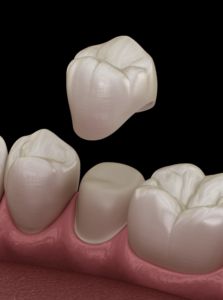
27 High StreetGetting a dental crown typically requires two visits to the dentist. Here is an overview of what you can expect during each phase of the procedure:
The recovery process after a dental crown procedure is typically quick, with most patients resuming normal activities the same day. However, there are a few things to keep in mind during the healing process:
To ensure that your dental crown lasts for many years and continues to function well, proper aftercare is essential. Here are some important post-care instructions to follow:
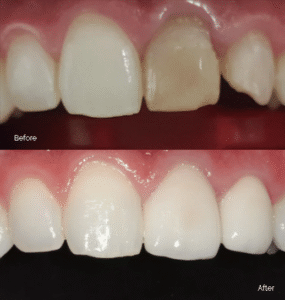
The dental crown procedure is an effective and relatively straightforward way to restore a damaged or weakened tooth. While the process involves two visits, the results can provide long-lasting benefits in terms of both functionality and aesthetics. With proper care and maintenance, your crown should serve you well for many years, protecting your tooth from further damage and helping to maintain your overall oral health.
If you have any concerns after the procedure or experience discomfort, do not hesitate to reach out to your dentist for advice. With careful attention to post-care instructions and regular dental visits, your crown will help you enjoy a functional smile for years to come.


“Hygienist, Angela sets you at ease from the moment you walk in the door. She is not only really thorough but also very caring and explains what she is doing throughout the ...“
“Wow! The service I received from Jane was absolutely fantastic; she went above and beyond to assist me so that I wasn't left out of pocket. I wish everyone had a person lik...“
“I am 70 years of age, and I have always been afraid to go to the dentist. A broken tooth and my wife threatening to leave me if I did not get it replaced soon made me find a ...“
“I booked an emergency treatment appointment, having had a tooth for a few days and was unable to get an appointment with my regular practice. I have to say the service was am...“
“As a nervous patient, I was very worried about having my tooth removed. I was instantly put at ease by the reception staff and the dental team. They regularly stopped to check...“
“Having not been to a dentist in over 25 years, I was a bag of nerves when I arrived, but I must admit Dr Tocca was very professional and explained everything as he was going t...“
“Hygienist, Angela sets you at ease from the moment you walk ...“
“Wow! The service I received from Jane was absolutely fantast...“
“I am 70 years of age, and I have always been afraid to go to...“
“I booked an emergency treatment appointment, having had a to...“
“As a nervous patient, I was very worried about having my too...“
“Having not been to a dentist in over 25 years, I was a bag o...“
“Hygienist, Angela sets you at ease from the moment you walk in the door. She is not onl...“
“Wow! The service I received from Jane was absolutely fantastic; she went above and beyond ...“
“I am 70 years of age, and I have always been afraid to go to the dentist. A broken tooth ...“
“I booked an emergency treatment appointment, having had a tooth for a few days and was una...“
“As a nervous patient, I was very worried about having my tooth removed. I was instantly pu...“
“Having not been to a dentist in over 25 years, I was a bag of nerves when I arrived, but I...“
27 High Street
Monday to Friday | 08:30am - 17:30pm (phone rings until 17.30)
Saturday by appointment only