27 High Street
- Ipswich
- IP1 3QH
27 High StreetTobacco use, in the forms of smoking and chewing, is one of the leading causes of preventable disease and death globally. Its effects on general health are well documented, but many people are unaware of the significant harm it can cause to oral health. Tobacco products, whether smoked or chewed, can lead to a range of oral health issues, from gum disease to tooth loss, and significantly increase the risk of oral cancers. This educational guide will explore the impact of smoking and chewing tobacco on oral health and discuss the heightened risk of cancer associated with these habits.

Smoking has a profound and negative impact on the health of your mouth, teeth, and gums. It introduces harmful chemicals directly into the oral cavity, which can cause lasting damage to the tissues and structures in the mouth. Some of the key ways smoking affects oral health include:
Gum Disease (Periodontal Disease)
Smoking is one of the primary risk factors for gum disease. The chemicals in tobacco smoke affect the blood flow to the gums, impairing their ability to heal. This weakens the immune response in the mouth and promotes the growth of harmful bacteria. The result is an increased risk of gum infection, which can lead to:
Smokers are also more likely to experience a severe form of periodontitis, leading to tooth loss if left untreated.
Tooth Discolouration and Staining
Nicotine and tar, the primary components in tobacco, can cause teeth to become yellowed or stained over time. The more a person smokes, the more likely they are to develop visible staining, which is difficult to remove with regular brushing. This staining can make a person’s smile appear dull and unhealthy. In addition to aesthetic concerns, this discolouration can signal the presence of other oral health issues.
Bad Breath (Halitosis)
Smoking contributes significantly to bad breath, often referred to as “smoker’s breath.” The chemicals in tobacco can cause a dry mouth, and the reduced production of saliva allows bacteria to thrive in the mouth, leading to foul-smelling breath. Additionally, smoking can damage the tissues in the mouth, further contributing to chronic bad breath.
Reduced Taste and Smell
Smoking can alter the taste and smell receptors in the mouth, diminishing the ability to enjoy food and beverages. Over time, this reduced sense of taste can lead smokers to consume food that is less flavourful or satisfying, which can affect overall nutrition. This diminished sensory function is due to the chemicals in tobacco interfering with the taste buds and the olfactory system.
Slower Healing Process
Tobacco use impairs the body’s ability to heal, including in the mouth. If you have a dental procedure, such as a tooth extraction, or if you develop a mouth ulcer or injury, smoking can slow down the healing process. The chemicals in smoke reduce blood flow to the gums and tissues, impeding their regeneration and making recovery more difficult.
Chewing tobacco, also known as smokeless tobacco, poses its own unique set of risks for oral health. Though it may seem less harmful than smoking, chewing tobacco is equally damaging to the mouth. It causes direct contact with the gums, teeth, and oral tissues, leading to several oral health problems.
Gum Recession
Chewing tobacco is known to cause gum recession, where the gums pull away from the teeth. This exposes the tooth roots, which are much more sensitive and susceptible to decay. Gum recession is often irreversible and can result in increased tooth sensitivity, as well as a higher risk of cavities on the exposed roots.
Tooth Decay and Loss
Chewing tobacco contains high levels of sugar and other harmful substances, which contribute to the formation of cavities. The sugar feeds bacteria in the mouth, producing acid that erodes tooth enamel and leads to tooth decay. Additionally, the presence of tobacco in the mouth encourages plaque buildup and tartar formation, which can eventually result in tooth loss.
Oral Lesions and Sores
Chewing tobacco can cause sores or lesions in the mouth, especially in areas where the tobacco is held in contact with the tissues. These lesions may initially appear harmless but can lead to further complications if not addressed. In some cases, these sores do not heal and may develop into more serious conditions, including precancerous lesions.
Bad Breath and Dry Mouth
Similar to smoking, chewing tobacco contributes to chronic bad breath. It also leads to dry mouth, or xerostomia, which occurs due to the reduced saliva flow caused by tobacco use. Saliva is essential for maintaining oral health, as it helps neutralise acids, wash away food particles, and protect against infection. When saliva production decreases, the risk of tooth decay, gum disease, and other oral infections increases.
Both smoking and chewing tobacco are major risk factors for various types of cancer, particularly cancers of the mouth, throat, and lungs. Tobacco contains a wide array of carcinogens (cancer-causing chemicals), which can directly affect the oral tissues and lead to the development of cancer.
Oral Cancer
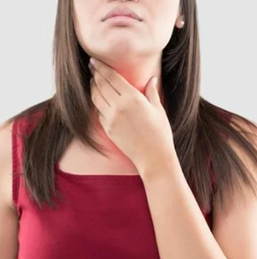
One of the most concerning risks of tobacco use is the development of oral cancer. This includes cancers of the lips, tongue, gums, mouth, cheeks, and the floor and roof of the mouth. The risk of developing oral cancer is significantly higher for individuals who smoke or chew tobacco regularly. In fact, tobacco users are six times more likely to develop oral cancer than non-users.
Oral cancer can present as a persistent sore, lump, or patch in the mouth that doesn’t heal. It may also cause difficulty swallowing, pain while chewing, or changes in the voice. If left untreated, oral cancer can spread to other parts of the body and become life-threatening.
Throat and Esophageal Cancer
Smoking and chewing tobacco are also strongly linked to cancers of the throat and esophagus. The carcinogens in tobacco directly affect the cells in the throat and upper digestive system, increasing the risk of cancer. This risk is further amplified when combined with alcohol consumption, which is also a known risk factor for throat cancer.
Pancreatic and Lung Cancer
While oral cancers are directly linked to tobacco use, smoking also increases the risk of other cancers, such as lung and pancreatic cancer. Inhaling tobacco smoke exposes the lungs to harmful carcinogens, leading to the development of lung cancer. The combination of smoking and chewing tobacco can increase the risk of these cancers even further.
The most effective way to protect your oral health and reduce cancer risks is to quit using tobacco entirely. Here are some steps you can take to manage and reduce the risks associated with smoking and chewing tobacco:
Tobacco use, whether smoking or chewing, has devastating effects on oral health, including gum disease, tooth loss, and an increased risk of cancer. The risks of tobacco-related cancers are substantial, and the damage caused by smoking and chewing tobacco can be long-lasting. The best way to protect your oral health and overall well-being is to quit tobacco use. If you are struggling to quit, seek professional support and take proactive steps to reduce your risks. Your oral health is a reflection of your overall health, and making healthier choices today can ensure a better future for your mouth and body.


“Hygienist, Angela sets you at ease from the moment you walk in the door. She is not only really thorough but also very caring and explains what she is doing throughout the ...“
“Wow! The service I received from Jane was absolutely fantastic; she went above and beyond to assist me so that I wasn't left out of pocket. I wish everyone had a person lik...“
“I am 70 years of age, and I have always been afraid to go to the dentist. A broken tooth and my wife threatening to leave me if I did not get it replaced soon made me find a ...“
“I booked an emergency treatment appointment, having had a tooth for a few days and was unable to get an appointment with my regular practice. I have to say the service was am...“
“As a nervous patient, I was very worried about having my tooth removed. I was instantly put at ease by the reception staff and the dental team. They regularly stopped to check...“
“Having not been to a dentist in over 25 years, I was a bag of nerves when I arrived, but I must admit Dr Tocca was very professional and explained everything as he was going t...“
“Hygienist, Angela sets you at ease from the moment you walk ...“
“Wow! The service I received from Jane was absolutely fantast...“
“I am 70 years of age, and I have always been afraid to go to...“
“I booked an emergency treatment appointment, having had a to...“
“As a nervous patient, I was very worried about having my too...“
“Having not been to a dentist in over 25 years, I was a bag o...“
“Hygienist, Angela sets you at ease from the moment you walk in the door. She is not onl...“
“Wow! The service I received from Jane was absolutely fantastic; she went above and beyond ...“
“I am 70 years of age, and I have always been afraid to go to the dentist. A broken tooth ...“
“I booked an emergency treatment appointment, having had a tooth for a few days and was una...“
“As a nervous patient, I was very worried about having my tooth removed. I was instantly pu...“
“Having not been to a dentist in over 25 years, I was a bag of nerves when I arrived, but I...“
27 High Street
Monday to Friday | 08:30am - 17:30pm (phone rings until 17.30)
Saturday by appointment only